THE TECH DESK · SPECIALTY TALENT
Brilliance needs a blueprint.
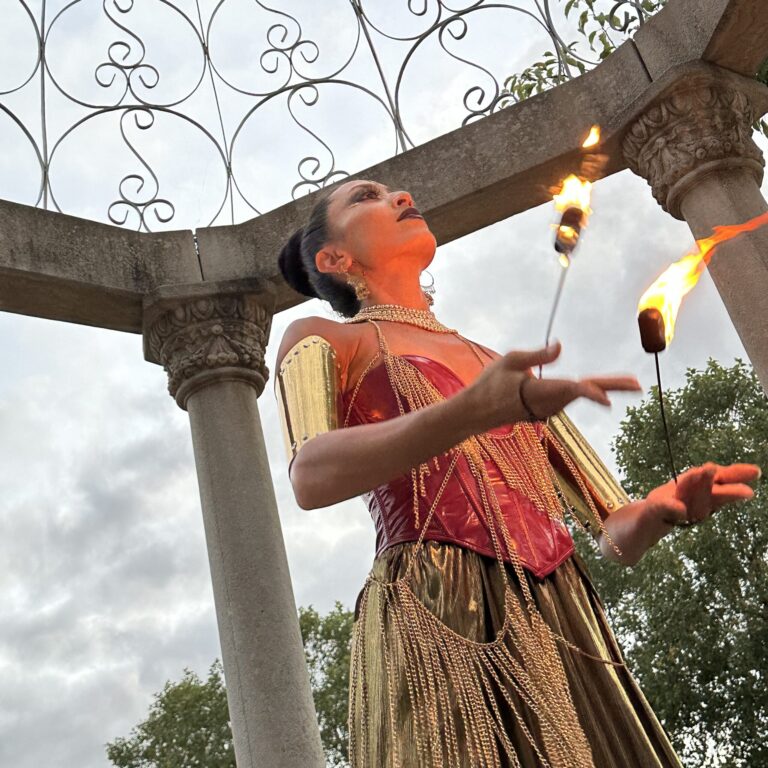
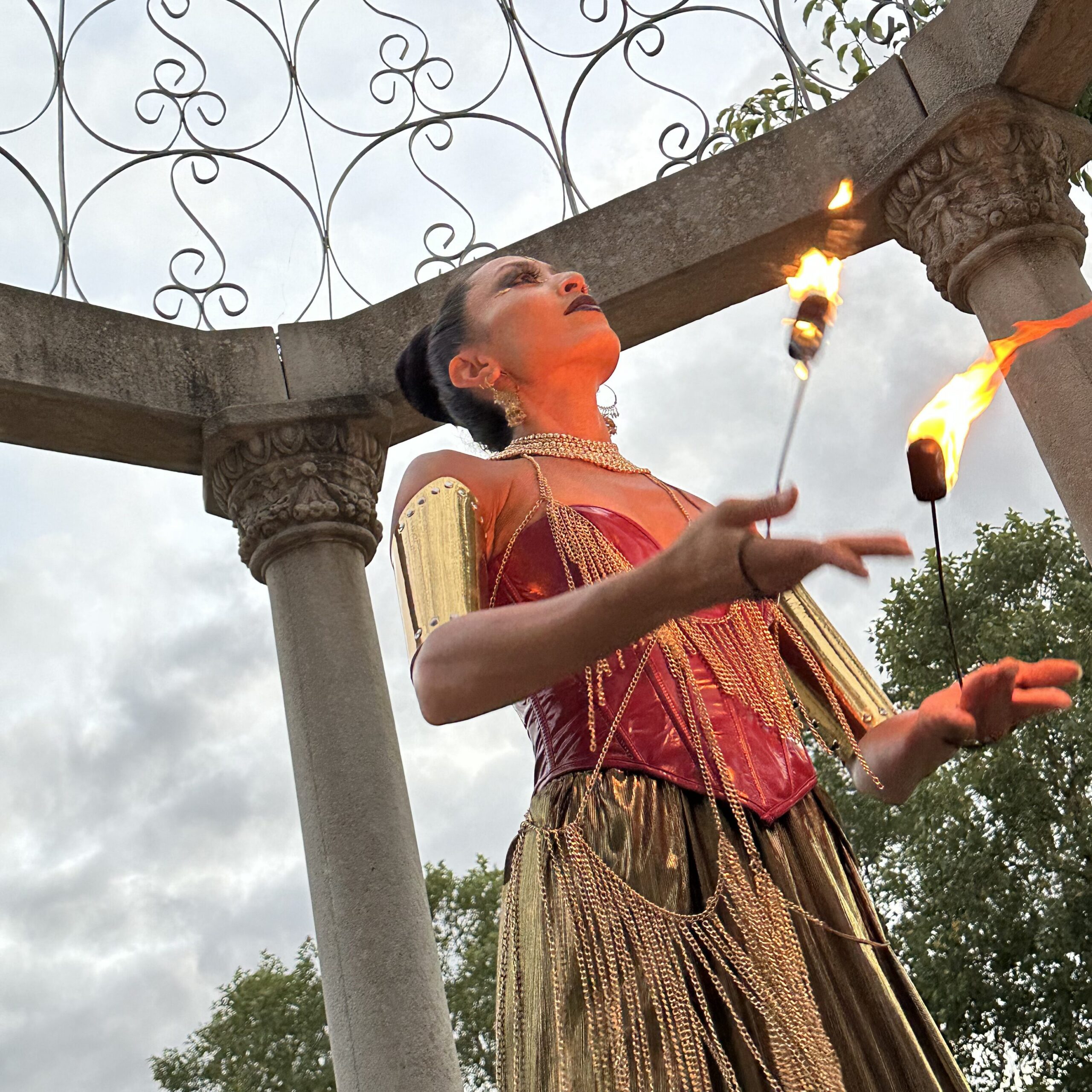
Fire, aerial, acrobatics and high-impact specialty acts deserve more than a vague note saying “bring your equipment.”
Technical feasibility comes before the quote.
Performers and producers should agree on the actual act, not merely its visual description. Venue limits, safety documentation, technical crew, weather, audience proximity and insurance may affect whether the performance is possible. The checklist below supports communication; it is not permission to handle fire or rigging without qualified professionals.
What belongs on the first rider
| Category | Information to supply or confirm |
|---|---|
| Performance description | Exact act and equipment, runtime, number of artists, featured vs roaming format, reset requirements. |
| Venue footprint | Requested unobstructed working dimensions, surface, ceiling clearance, entrances and audience boundary. |
| Sound & cues | Audio-file format, stage monitor needs, operator responsible for cues, rehearsal and backup method. |
| Load-in & crew | Equipment transport, setup/strike time, access route, dressing area, operator needs and point of contact. |
| Fire-specific approval | Whether flame effects are allowed at the venue; applicable permits, qualified fire-safety personnel, approved emergency plans and weather limitations. Venue and authorities determine requirements. |
| Aerial-specific approval | Qualified rigging review, verified structural support and load documentation, licensed/competent personnel, floor safety and emergency retrieval planning as appropriate. |
| Documentation | Insurance evidence, relevant credentials, safe-operating procedures and the entities responsible for approval. |
| Financial details | Artist fee, travel, freight, technical staff, rentals, rehearsal, weather contingency and cancellation terms. |
Two short questions that save enormous headaches
Who has the authority to approve the act?
Ask who owns venue, rigging, flame, production and safety approvals. A verbal “the ceiling is high enough” is not a qualified rigging inspection.
What is our acceptable alternative?
When a venue prohibits open flame, discuss whether the artist offers an LED or nonflame performance. The alternative is a different approved act, not an improvised workaround.
Mini rider template
Act: [Name/description] · Artists: [Number] · Format/running time: [Details] · Venue: [Confirmed venue] · Required clearances: [Per competent artist/technical plan] · Approved equipment: [List] · Sound/cue lead: [Name] · Qualified technical/safety lead: [Name] · Approvals and documentation: [Status] · Load-in/rehearsal: [Times] · Fee/travel: [Terms].
Do not treat this article as fire safety training, structural engineering advice or a permit checklist for a specific jurisdiction. Engage qualified professionals and the relevant venue or authority.